Density: 3.2-3.3 g/cm³.
Vickers Hardness: 1400-1600 HV.
Flexural Strength: 600-800 MPa.
Thermal Conductivity: 20-25 W/(m·K).
Coefficient of Thermal Expansion: 3.2×10⁻⁶/K.
Operating Temperature: ≤1400℃.
Coefficient of Friction: 0.15-0.25.
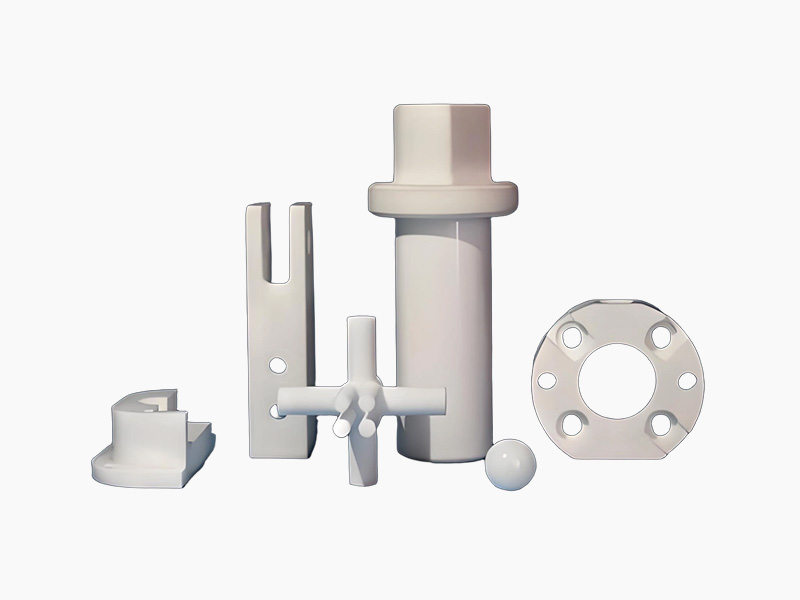
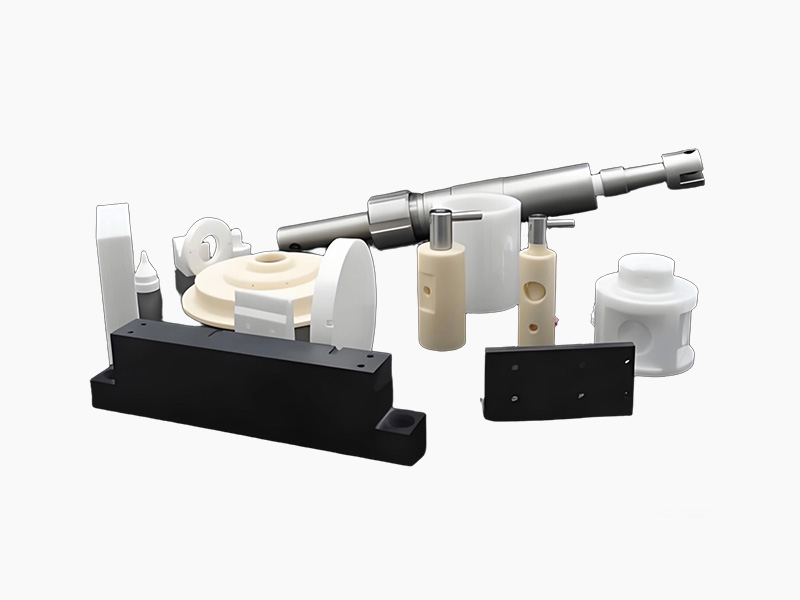
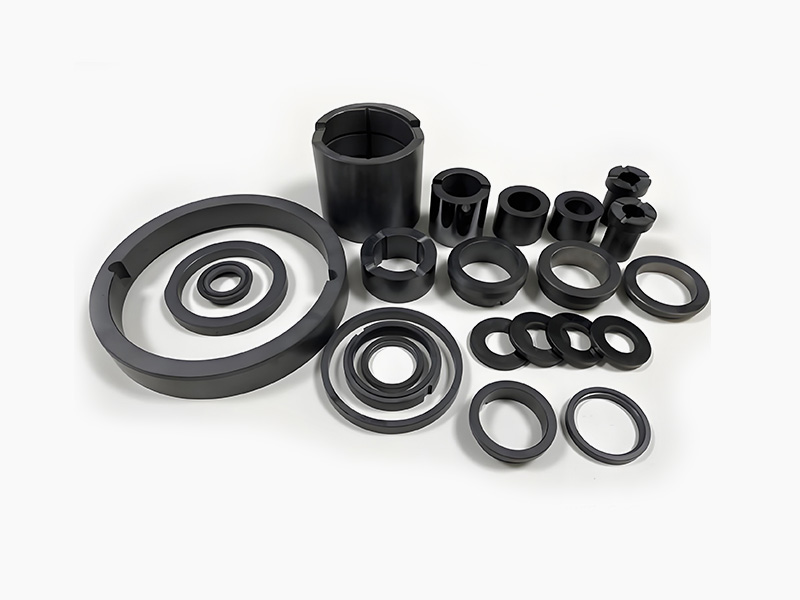
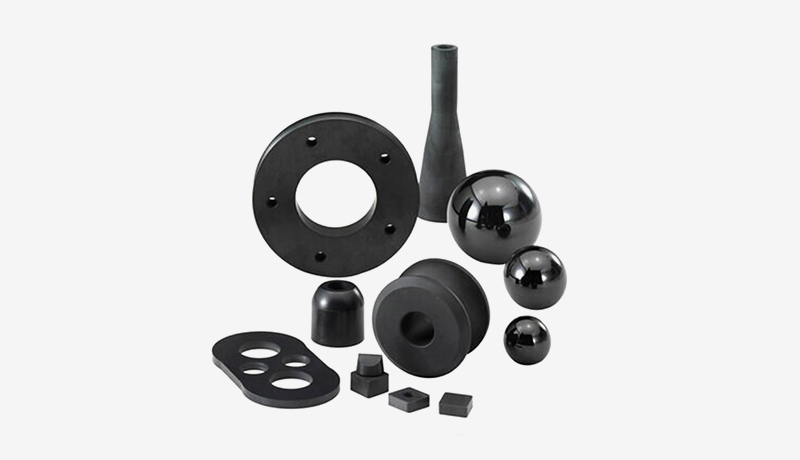
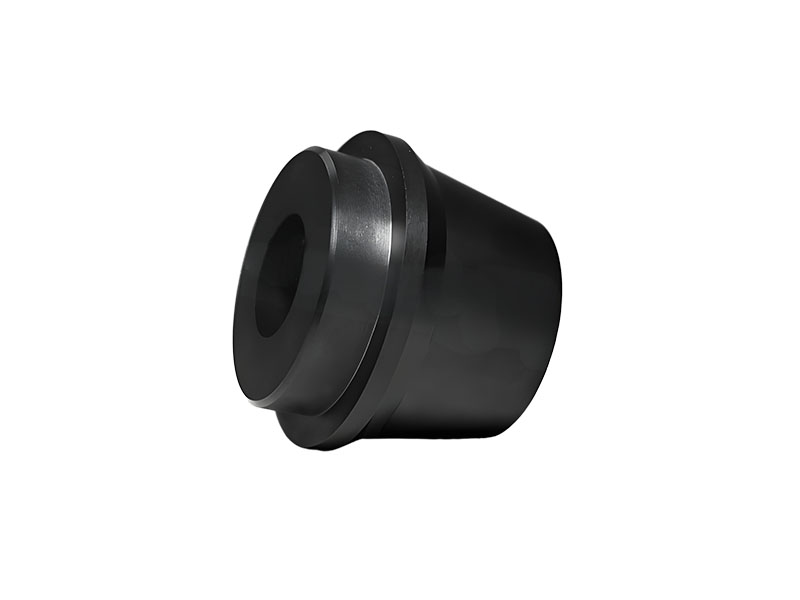
Silicon nitride ceramic wheel Product Introduction
Silicon nitride ceramic wheel are high-performance industrial ceramic components with the following significant characteristics:
1. High Strength and High Hardness: Vickers hardness up to 1600-1800 HV, and flexural strength up to 600-1000 MPa, enabling them to withstand large mechanical loads.
2. Excellent Thermal Performance: Thermal conductivity of approximately 20-25 W/(m·K), low thermal expansion coefficient (approximately 3.2×10⁻⁶/K), and operating temperature up to 1400℃.
3. Superior Wear Resistance: Mohs hardness of approximately 9, low coefficient of friction (0.15-0.25), and self-lubricating properties.
4. Chemical Stability: Strong resistance to most acid and alkaline solutions, maintaining stability in corrosive environments.
5. Lightweight Design: Low density (~3.2-3.3 g/cm³), and high elastic modulus (~300 GPa).
Application Fields
Silicon nitride ceramic extrusion wheels are widely used in the following fields:
1. Aerospace: Used in high-temperature components such as engine parts and combustion chamber linings.
2. New Energy Vehicles: Applied to key components such as battery systems and motor drive systems.
3. Mechanical Manufacturing: Used as bearings, rollers, shafts, and other mechanical components to improve processing accuracy and efficiency.
4. Electronics and Semiconductors: Used in precision components in chip manufacturing equipment, such as grinding discs and polishing pads.
5. Chemical and Metallurgical Industries: Used as transmission components in corrosive environments.
Supports custom specifications.